 Patient Portal
 Pay My Bill
 Contact Us
Team
Mar 17, 2026
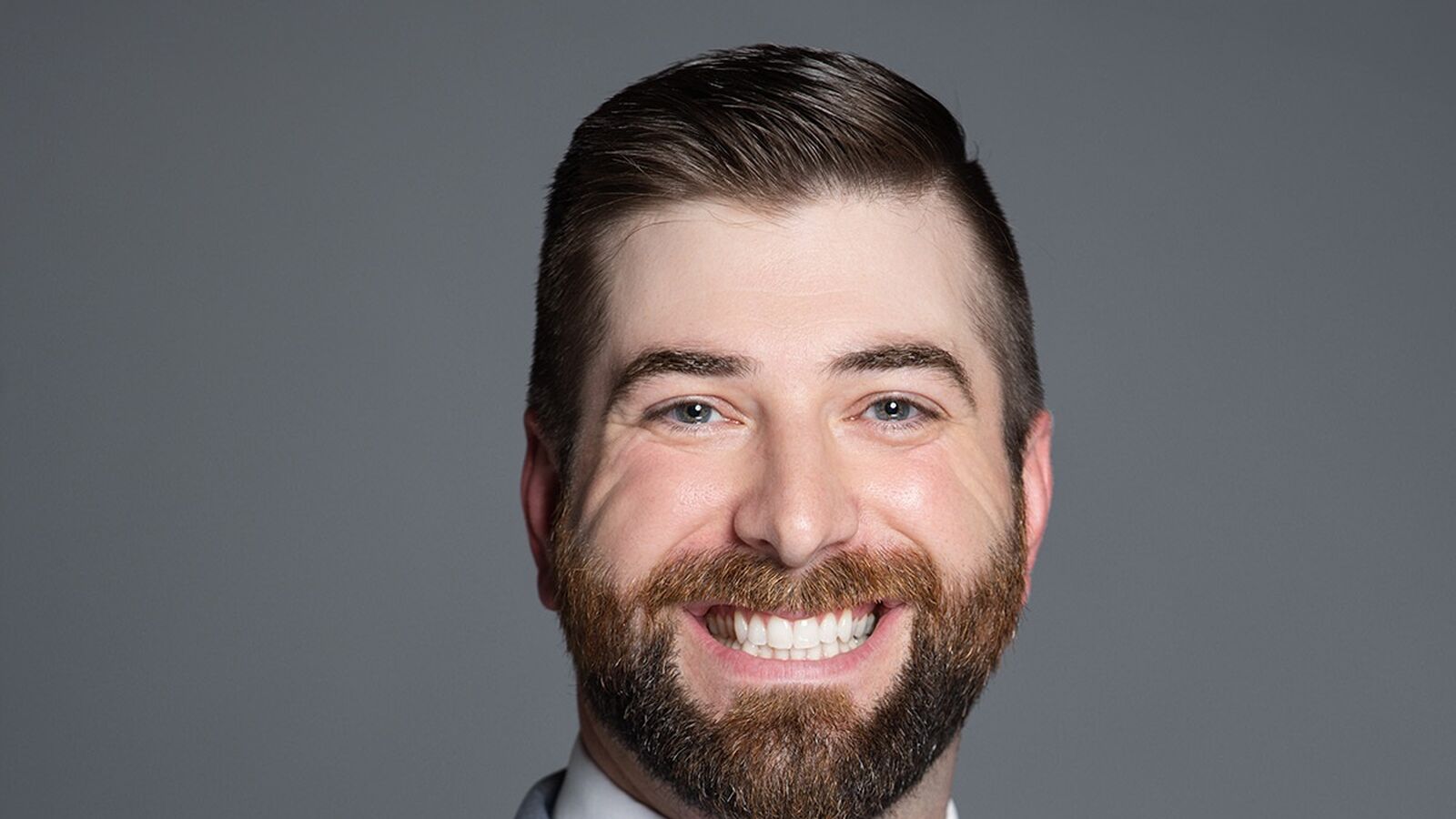
Meet Chris Guillo, PA-C: Your Spine Care Partner
Meet Chris Guillo, PA-C, one of your spine care partners at Semmes Murphey. Learn how Physician Assistants (PA) diagnose, treat, and guide recovery, helping most patients feel better without surgery.
Why seeing a PA first is good news for your spine
If you've scheduled an appointment at Semmes Murphey, there's a good chance you'll meet Chris Guillo or one of our other Physician Assistants (PA). If you're wondering, "Wait, what's a PA?" you're not alone.
"A lot of people are not familiar with what Physician Assistants do," Chris says. "We're equipped to handle almost everything you need in clinic: diagnosing, treating, prescribing, performing procedures. All the things that help you recover and feel better quickly."
What Does a PA Actually Do?
Chris works at our Arlington location, providing comprehensive spine care:
- Diagnosing conditions
- Prescribing treatments and medications
- Performing procedures and injections
- Ordering and interpreting imaging
- Creating treatment plans
- Following up on your recovery
"We diagnose, we treat, we prescribe, we do procedures, give injections—all kinds of things that help you recover and help you feel better quickly," Chris explains.
The Training Behind the Role
Becoming a PA requires:
- Extensive medical education in the physician model
- Thousands of patient care hours before graduation
- National board certification exam
- State medical board licensing
- Ongoing continuing education
"We spend quite a bit of time studying and accumulating patient hours to graduate," Chris notes. "Then we take a national board exam to become certified and are licensed in each state—usually through the medical board—to be able to practice medicine."
What PAs Handle in Spine Care
Back and neck pain are straightforward reasons to visit, but many patients don’t realize other symptoms might stem from spine issues.
"A lot of people don't think about leg pain or foot pain originating in the spine," Chris explains. "But it's something that's very common. And it's something that a lot of people can get relief from by coming into clinic."
Symptoms that may indicate a spine problem:
- Pain radiating down your arms into fingers or hands
- Tingling, numbness, or electric shock sensations in arms
- Pain radiating down your legs into feet
- Weakness when gripping or walking
What to Expect When you See a PA
Nearly 85-90% of patients with spine conditions don't require surgery to get better.
"Medications, injectable medicines, procedures like nerve blocks, physical therapy—most people get better with that stuff," Chris says.
PAs manage the full spectrum of conservative spine care:
- Physical therapy coordination
- Medication management
- Nerve blocks and injections
- Activity modification guidance
- Post-operative follow-ups
- Monitoring recovery progress
- Adjusting treatment plans as needed
"Our goal is to get you better and get you back on the road to recovery—doing the things you want to do and need to do," Chris emphasizes.
The Bottom Line
If you're hesitant to make an appointment, Chris has a message for you:
"A lot of times patients hesitate to come in because they're worried about surgery. It's scary. It's intimidating. We understand that."
Most patients never need surgery. But even if you do eventually need a surgical solution, starting with a PA means you've already:
- Tried appropriate conservative treatments
- Built a relationship with someone who knows your case
- Made sure surgery is truly necessary
- Established care with a team that will support your recovery
When you see Chris Guillo, PA-C, you are seeing a licensed medical provider with years of training, working collaboratively with neurosurgeons to deliver the right care at the right time.
And that's exactly what spine care should be.
Ready to book an appointment?
Schedule online using the link below, or stop by our Arlington location for a walk-in visit.