 Patient Portal
 Pay My Bill
 Contact Us
Announcements
Jun 9, 2026
Chronic Back Pain, Neck Pain, and Nerve Pain: Community Seminar Recap
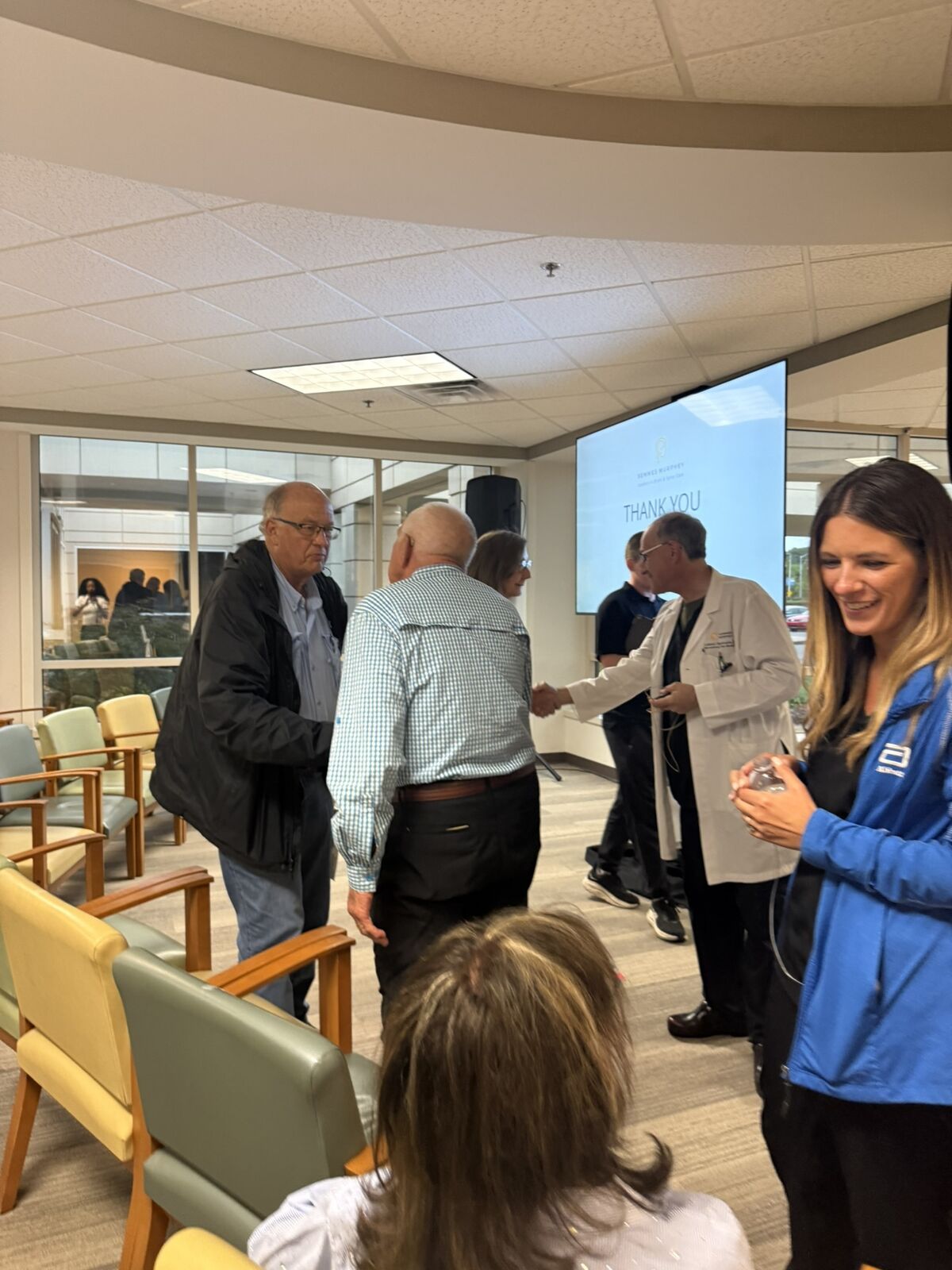
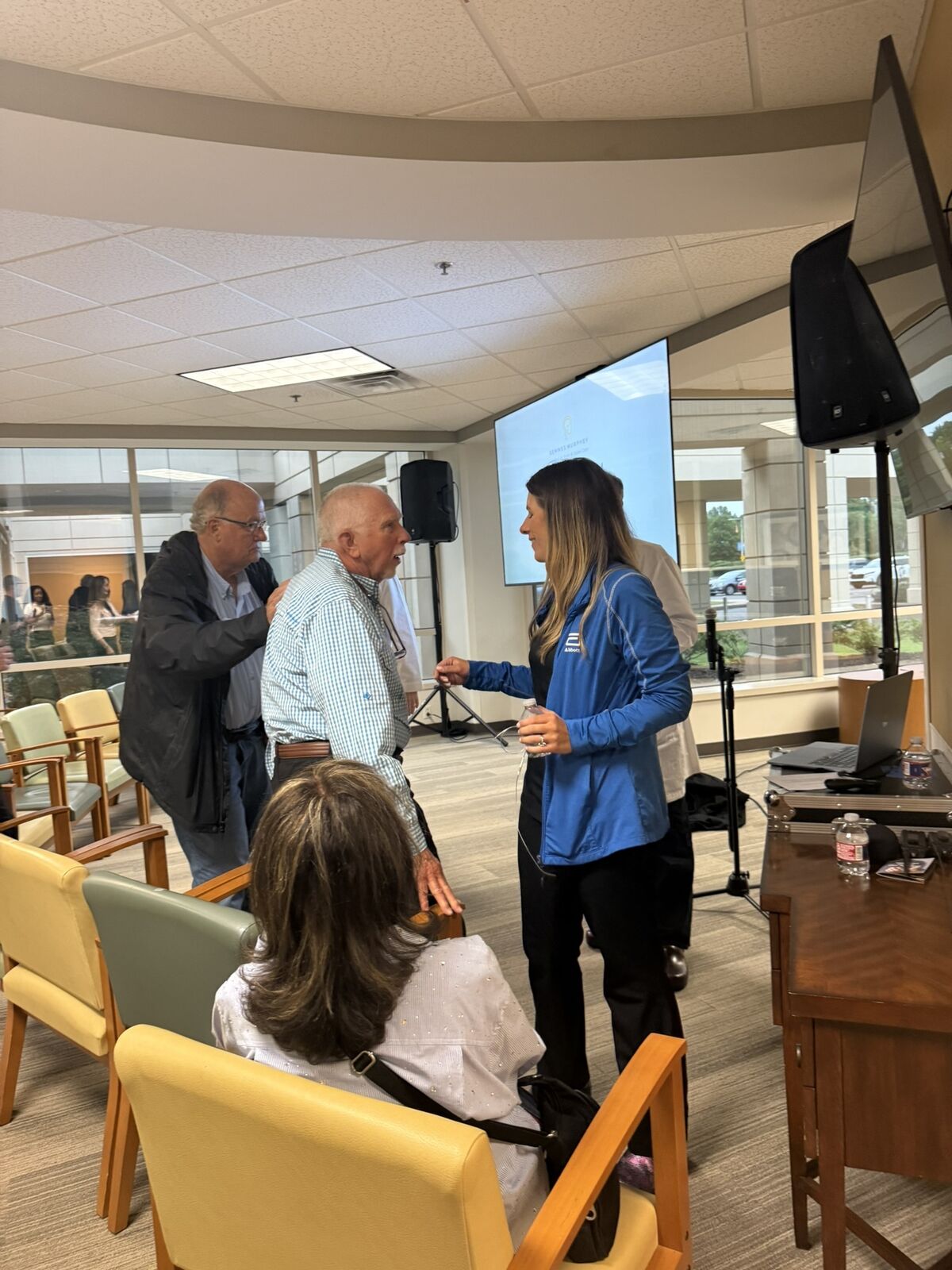
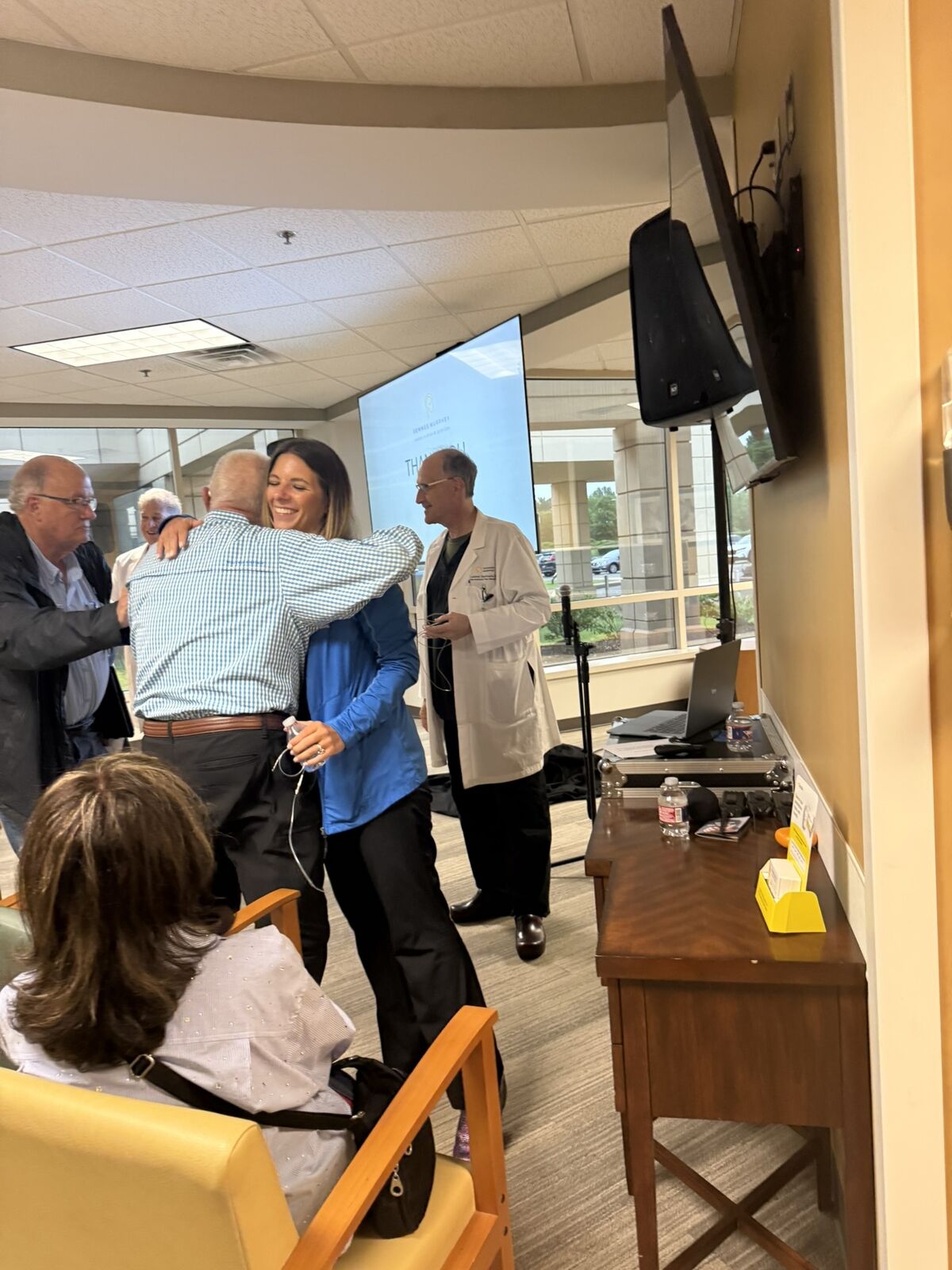
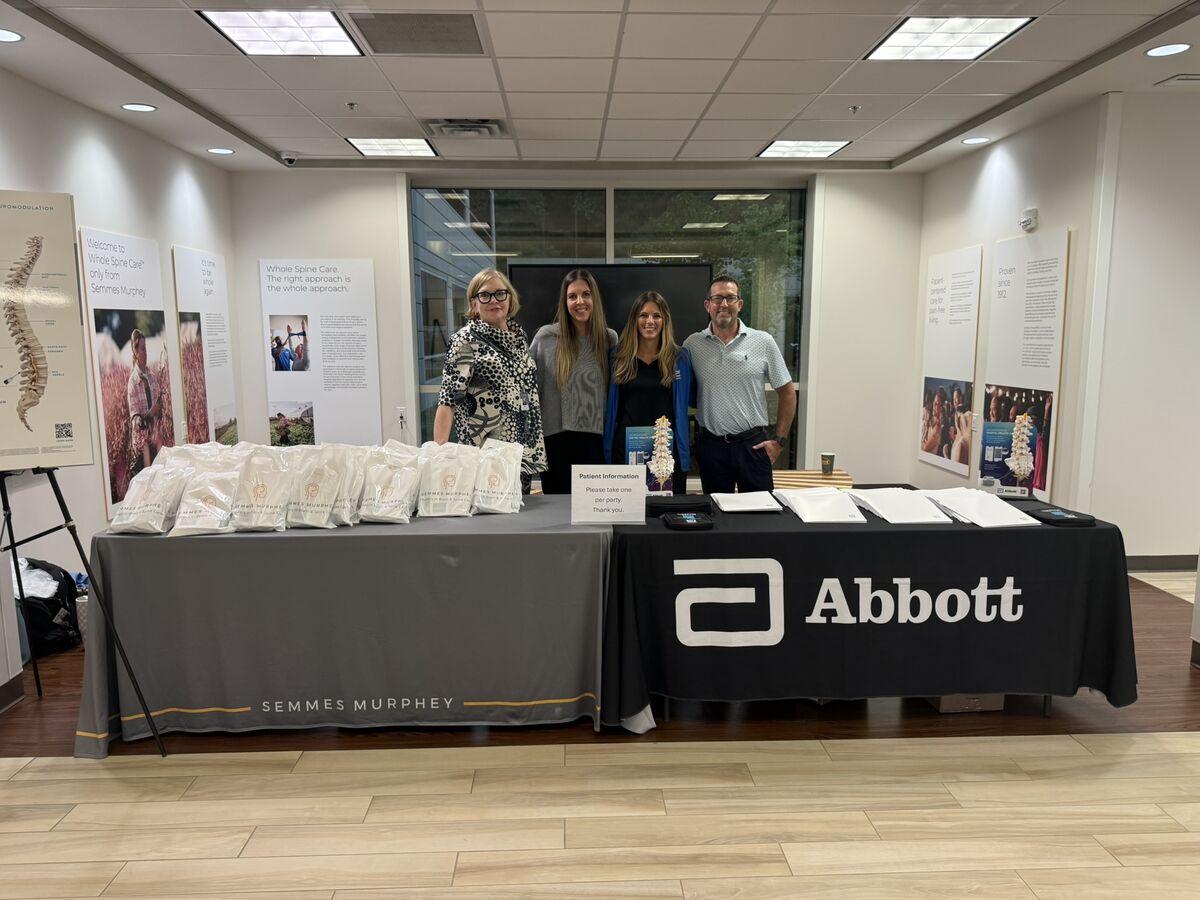
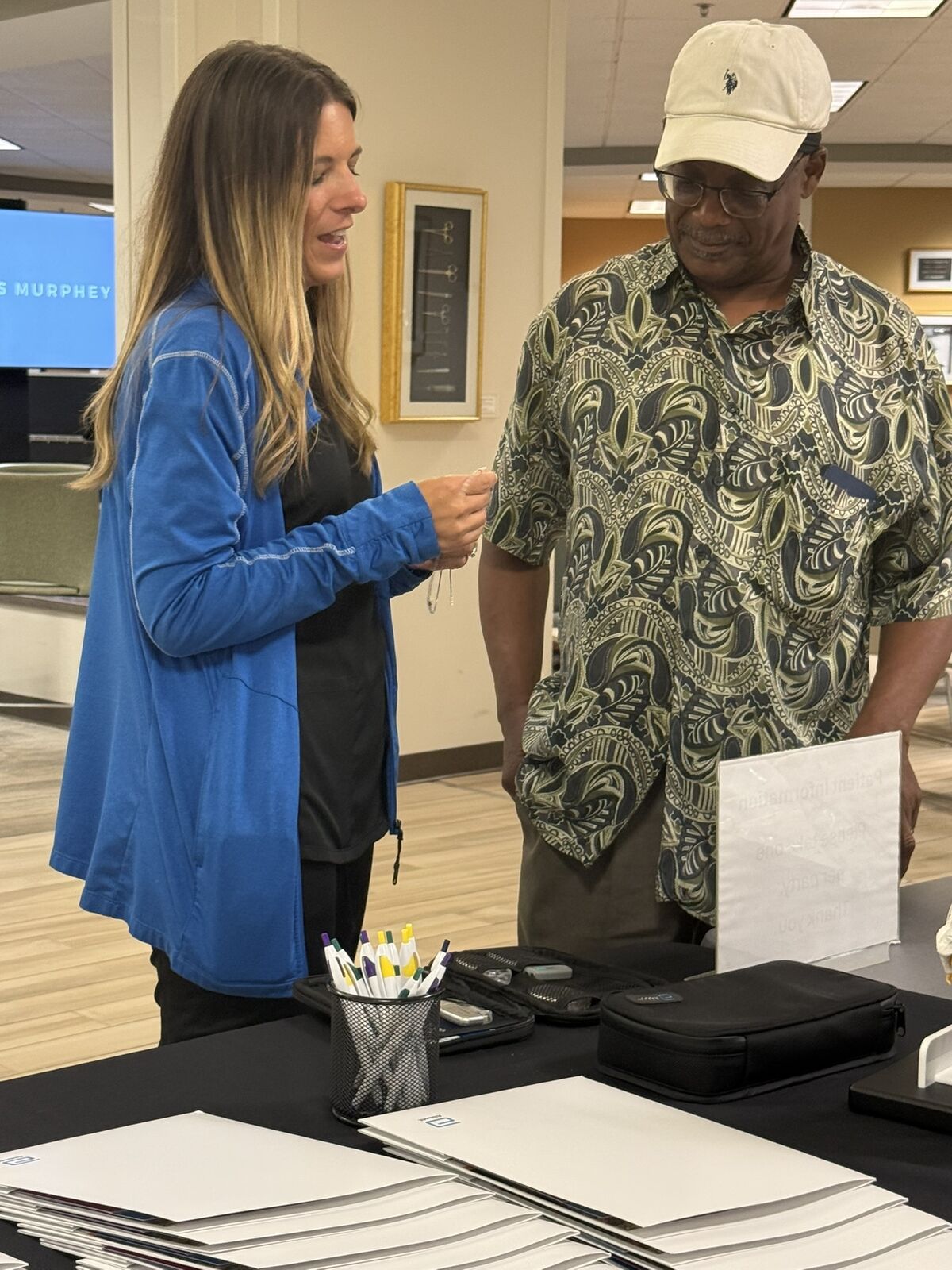
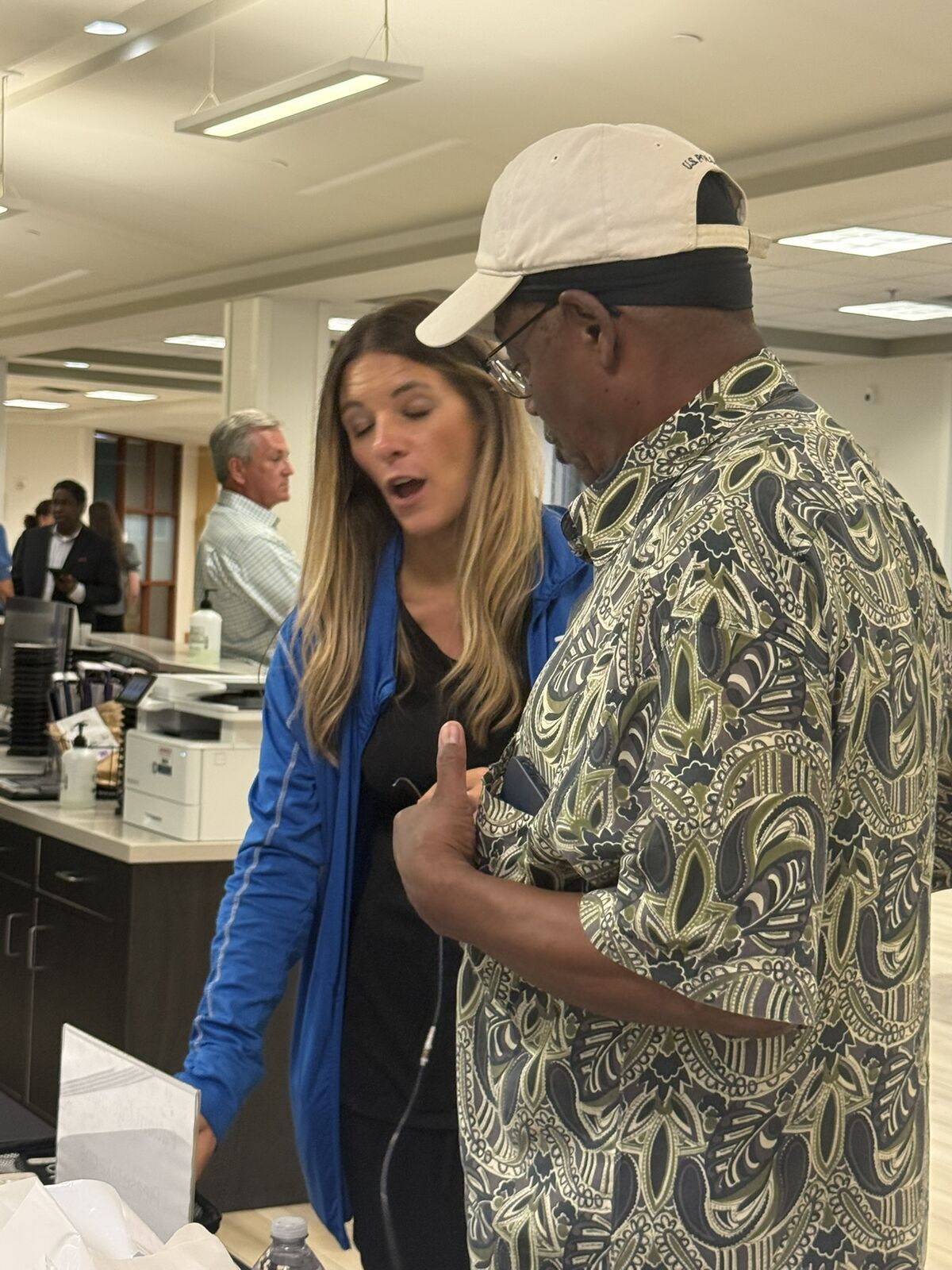
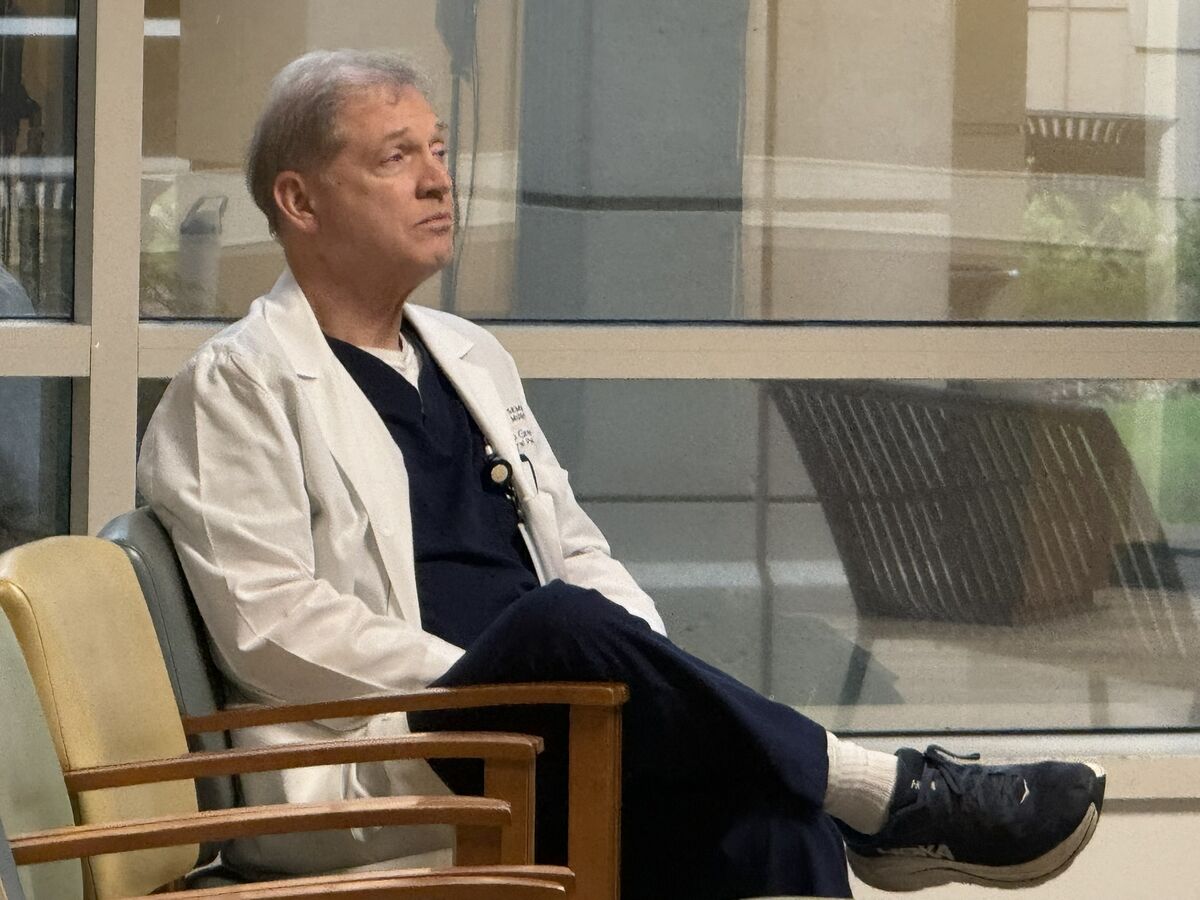
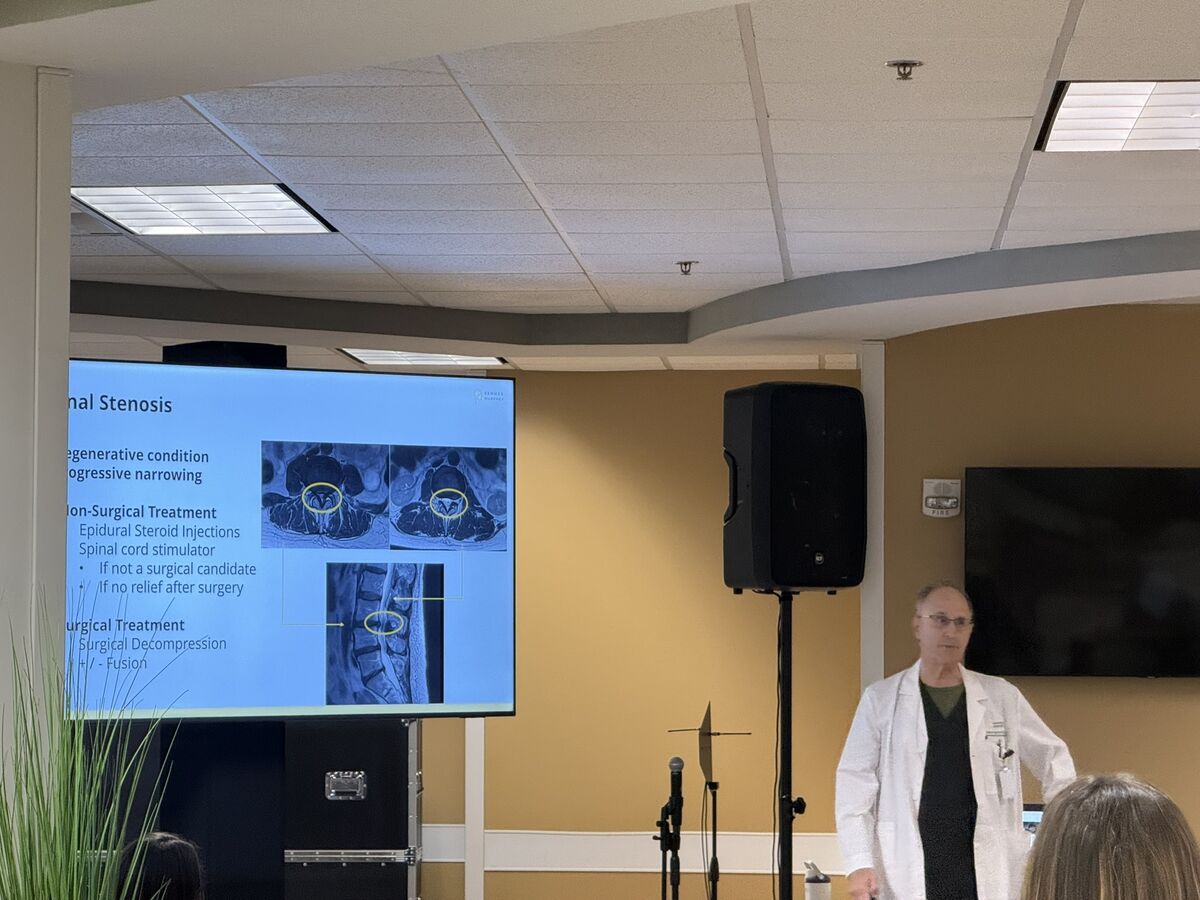
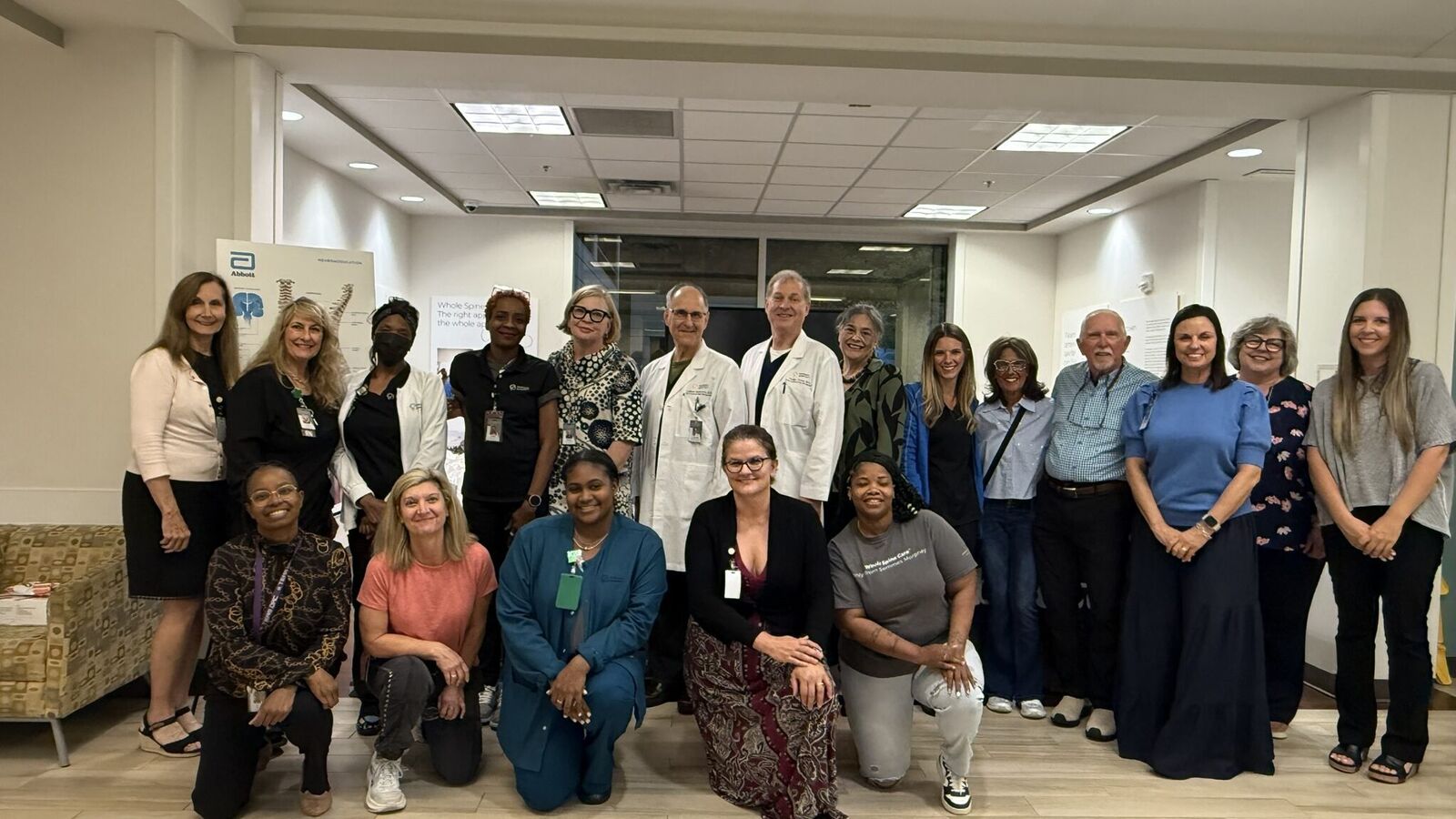
On May 21, we hosted a community seminar to help patients understand the treatment options available for back pain, neck pain, sciatica, nerve pain, and pain that persists after spine surgery.
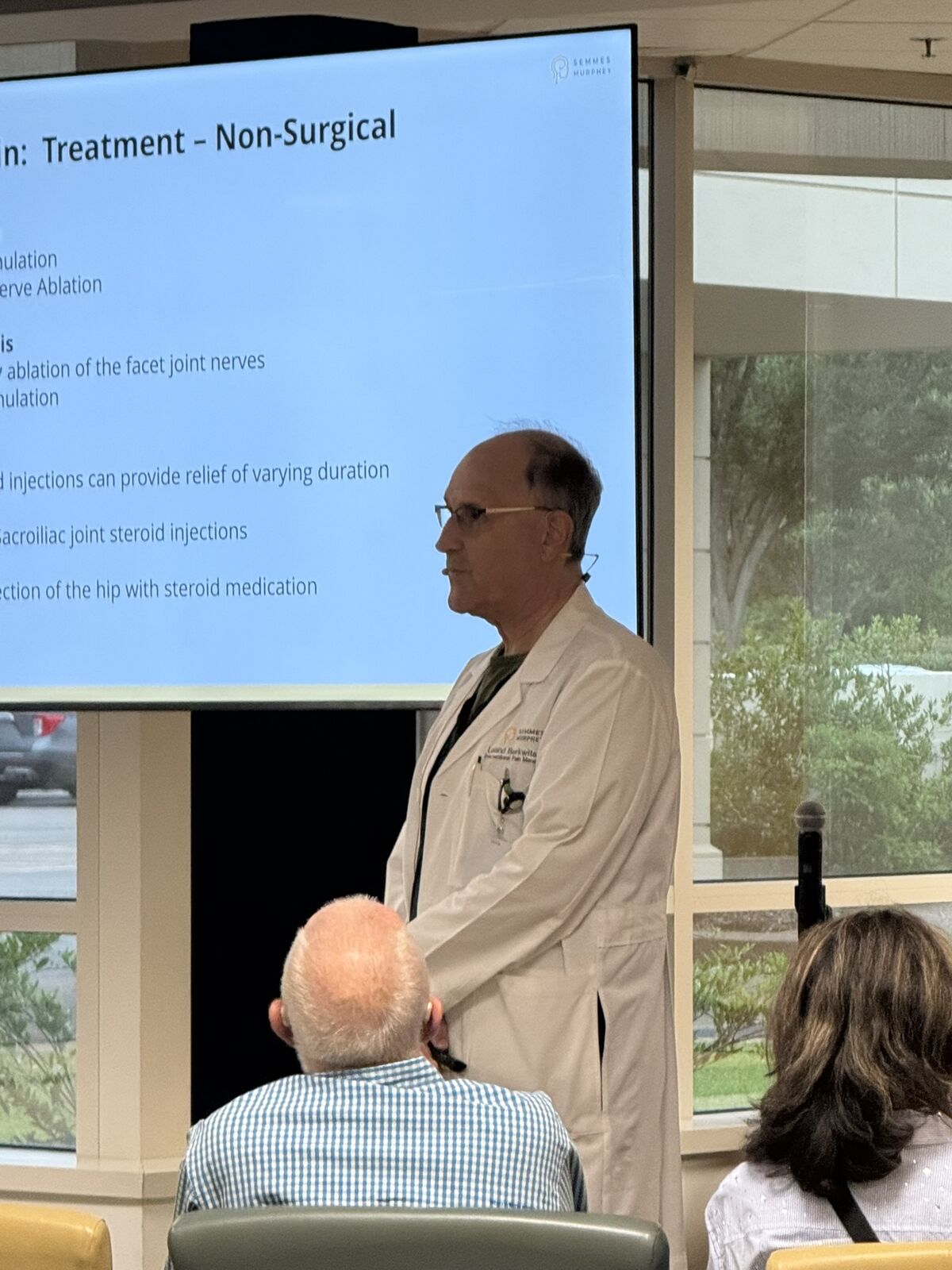
During the event, Dr. Leland Berkwits discussed the process of evaluating chronic pain, emphasizing the importance of identifying the source of symptoms before developing a treatment plan. He reviewed a variety of treatment approaches used in interventional pain management, including physical therapy, injections, radiofrequency ablation, and advanced neuromodulation therapies. Throughout the presentation, attendees learned how treatment decisions are guided by the underlying cause of pain rather than symptoms alone.
Dr. Berkwits also explained the differences between mechanical pain and nerve pain. While some conditions are caused by problems involving the joints, discs, or muscles of the spine, others may result from irritated or damaged nerves and can present as burning, tingling, numbness, or shooting pain that travels into the arms or legs.
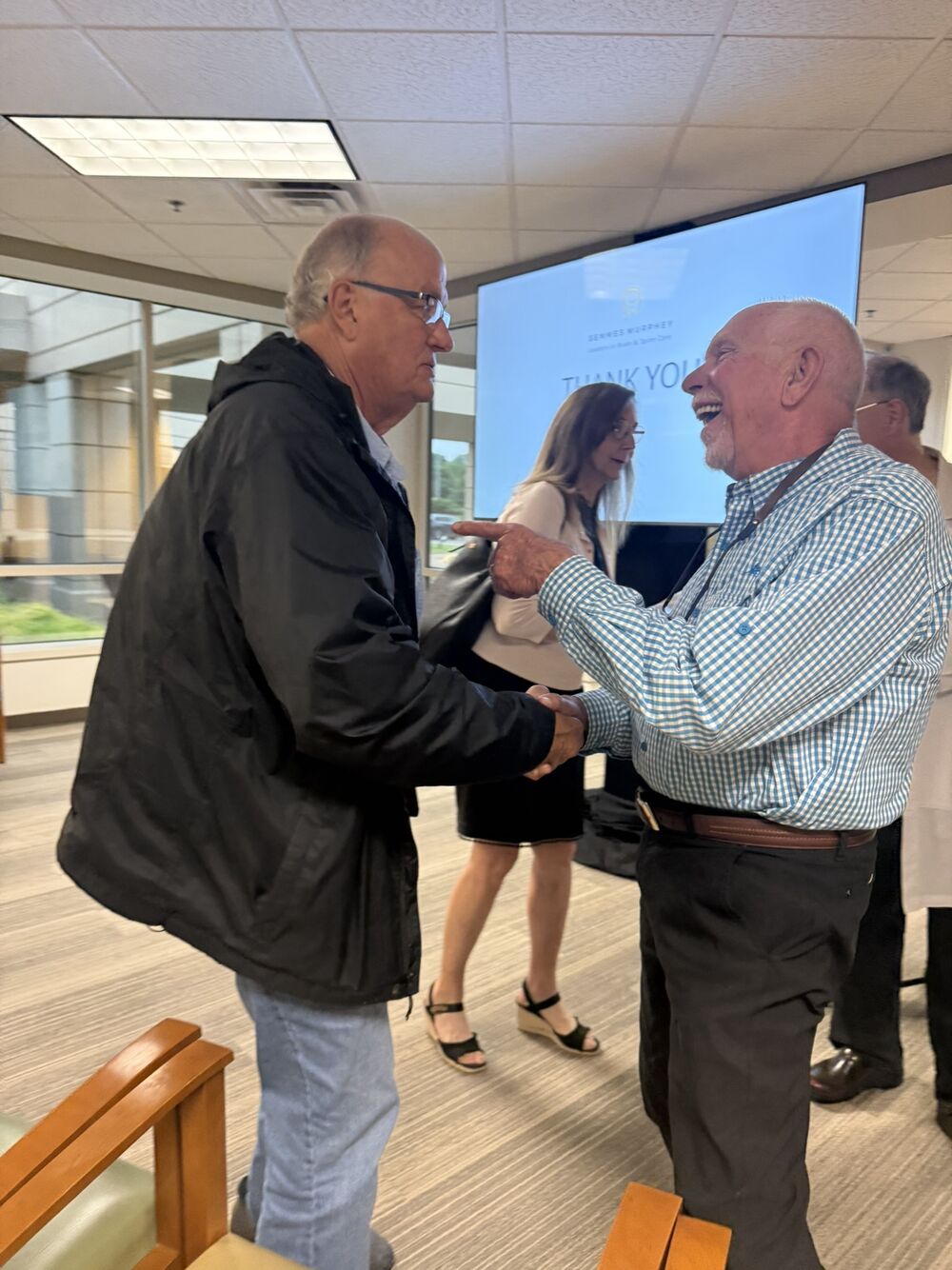
Guests also heard from a patient who shared their experience living with chronic pain and the progress they achieved through treatment. Their story provided a firsthand perspective on the challenges of chronic pain and the impact that appropriate diagnosis and treatment can have on daily life.
Key Takeaways
- Chronic pain can have many causes, including arthritis, disc degeneration, spinal stenosis, sciatica, nerve injury, and conditions that develop after spine surgery.
- Symptoms such as shooting pain, burning pain, tingling, numbness, or weakness may indicate nerve involvement and often require a different treatment approach than mechanical neck or back pain.
- Many chronic pain conditions can be treated without surgery. Depending on the diagnosis, treatment options may include physical therapy, medications, injections, radiofrequency ablation, neuromodulation, or other minimally invasive procedures.
- Advanced therapies such as spinal cord stimulation may be appropriate for some patients whose chronic back pain, leg pain, or nerve pain has not responded to more conservative treatments.
- Patient education plays an important role in pain management. The audience discussion highlighted the value of understanding available treatment options and partnering with a physician to develop an individualized plan of care.